
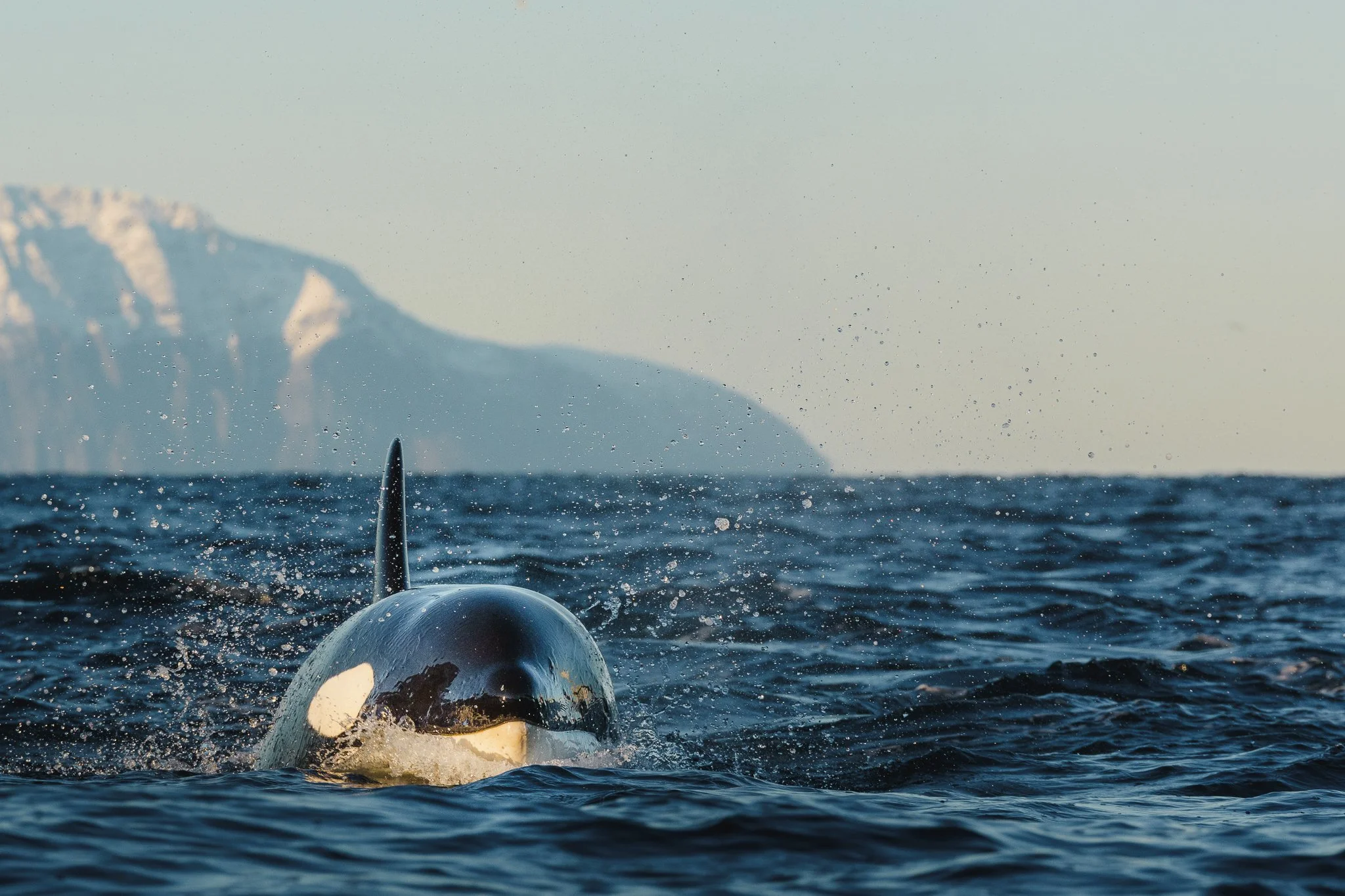
Chasing Giants: Photographing Whales in Northern Norway
Ever since I was a kid, I’ve been fascinated by whales - their size, the migrations, and the mystery of their life beneath the surface.
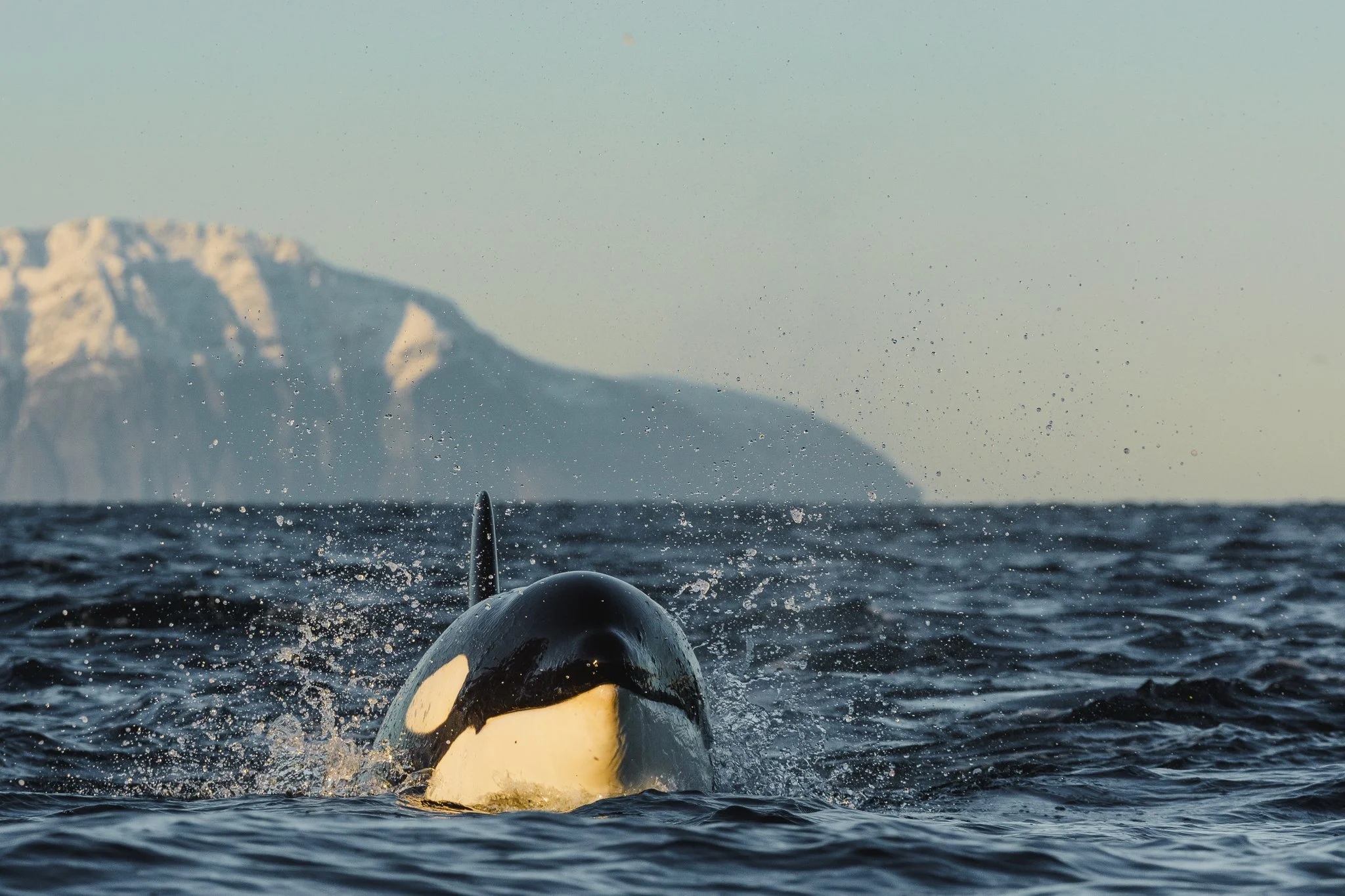
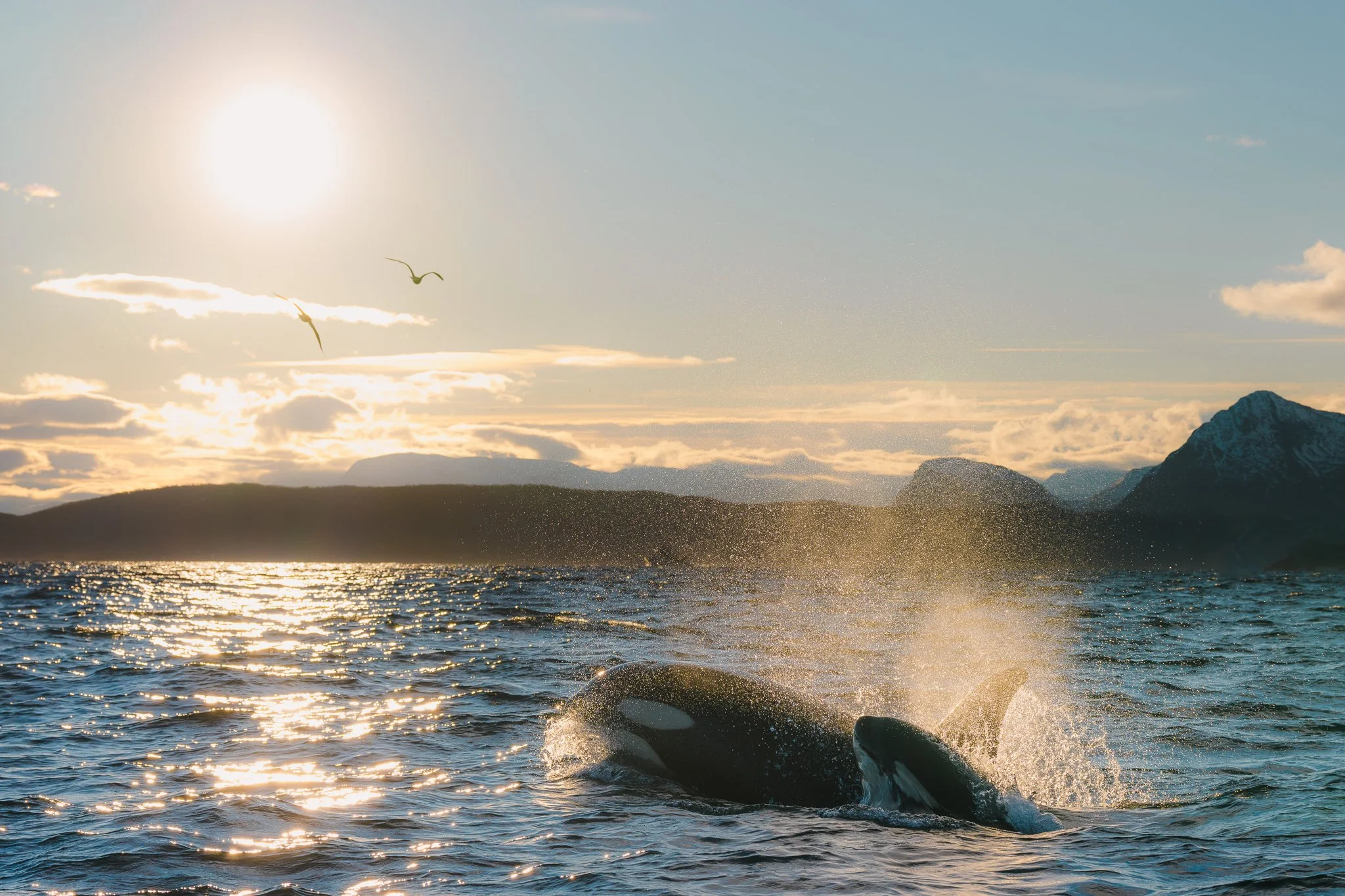
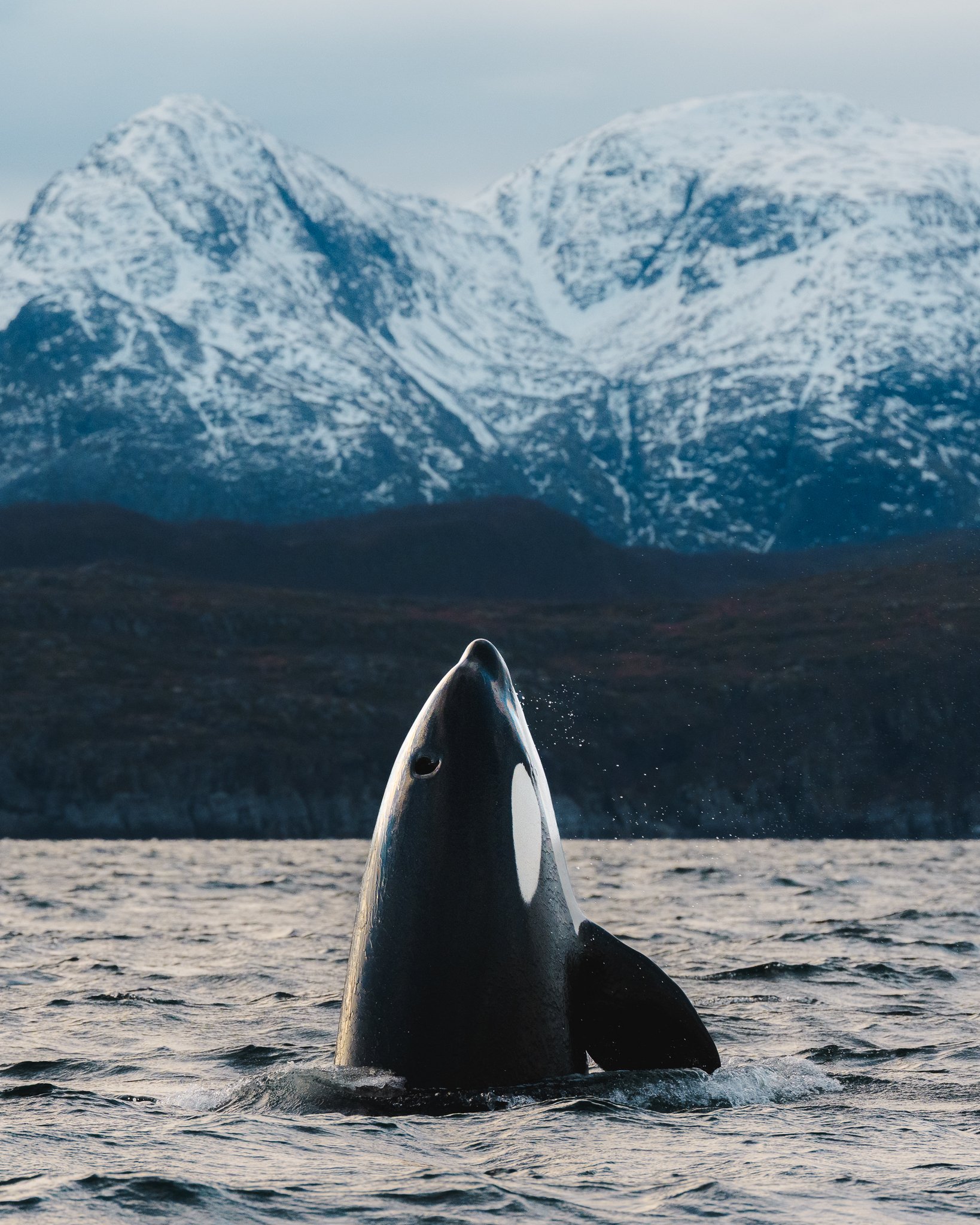
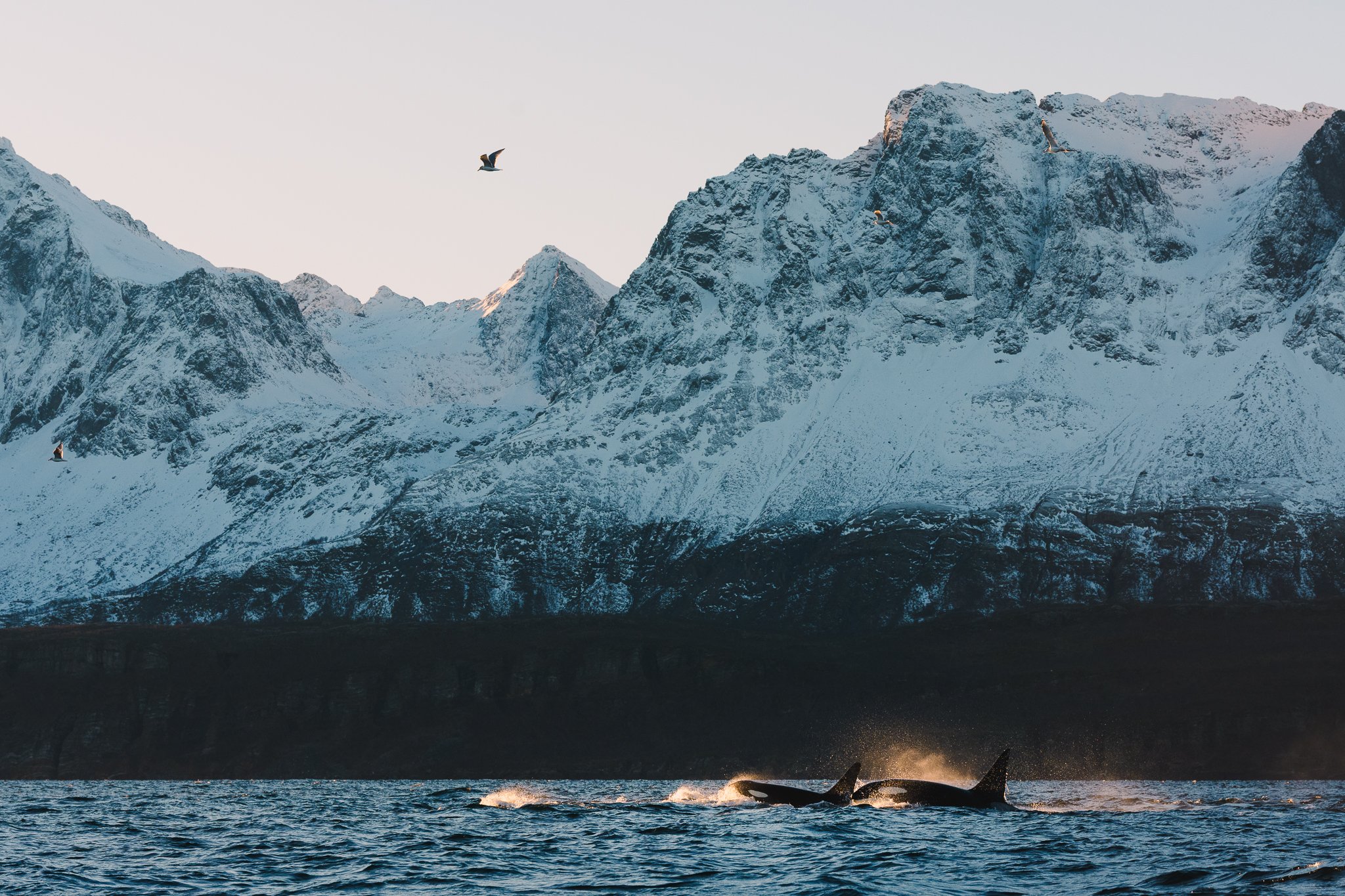
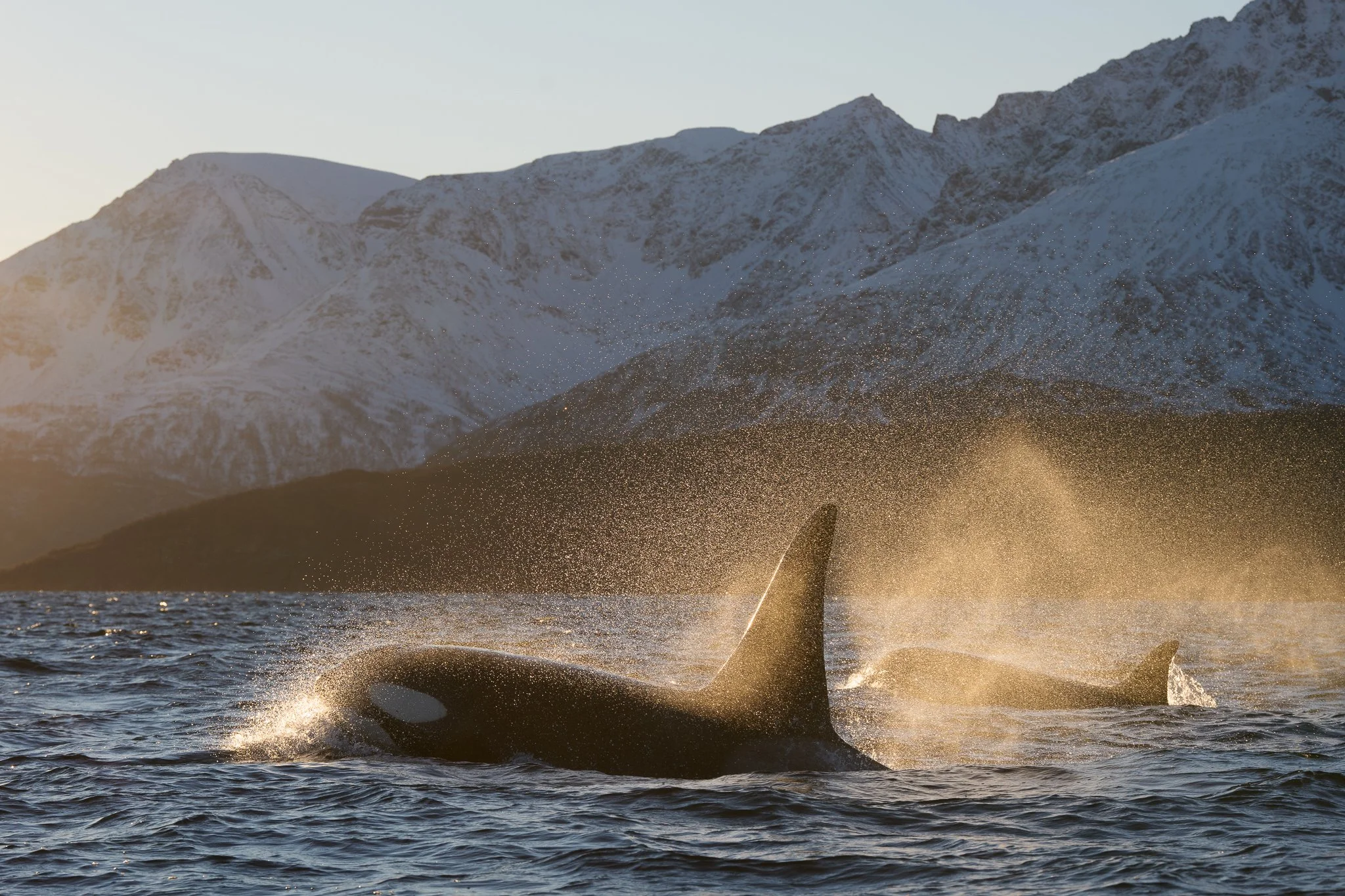
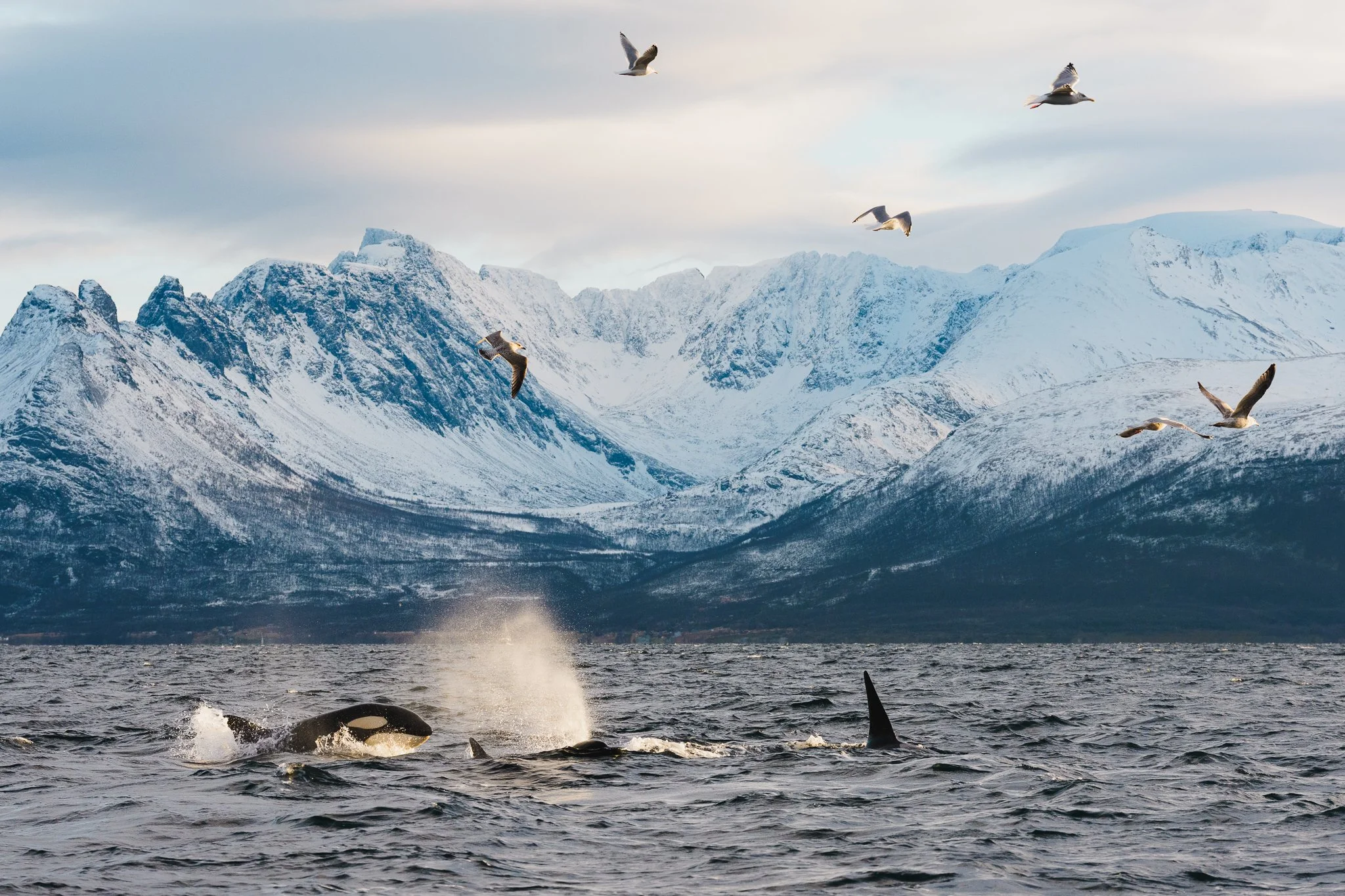
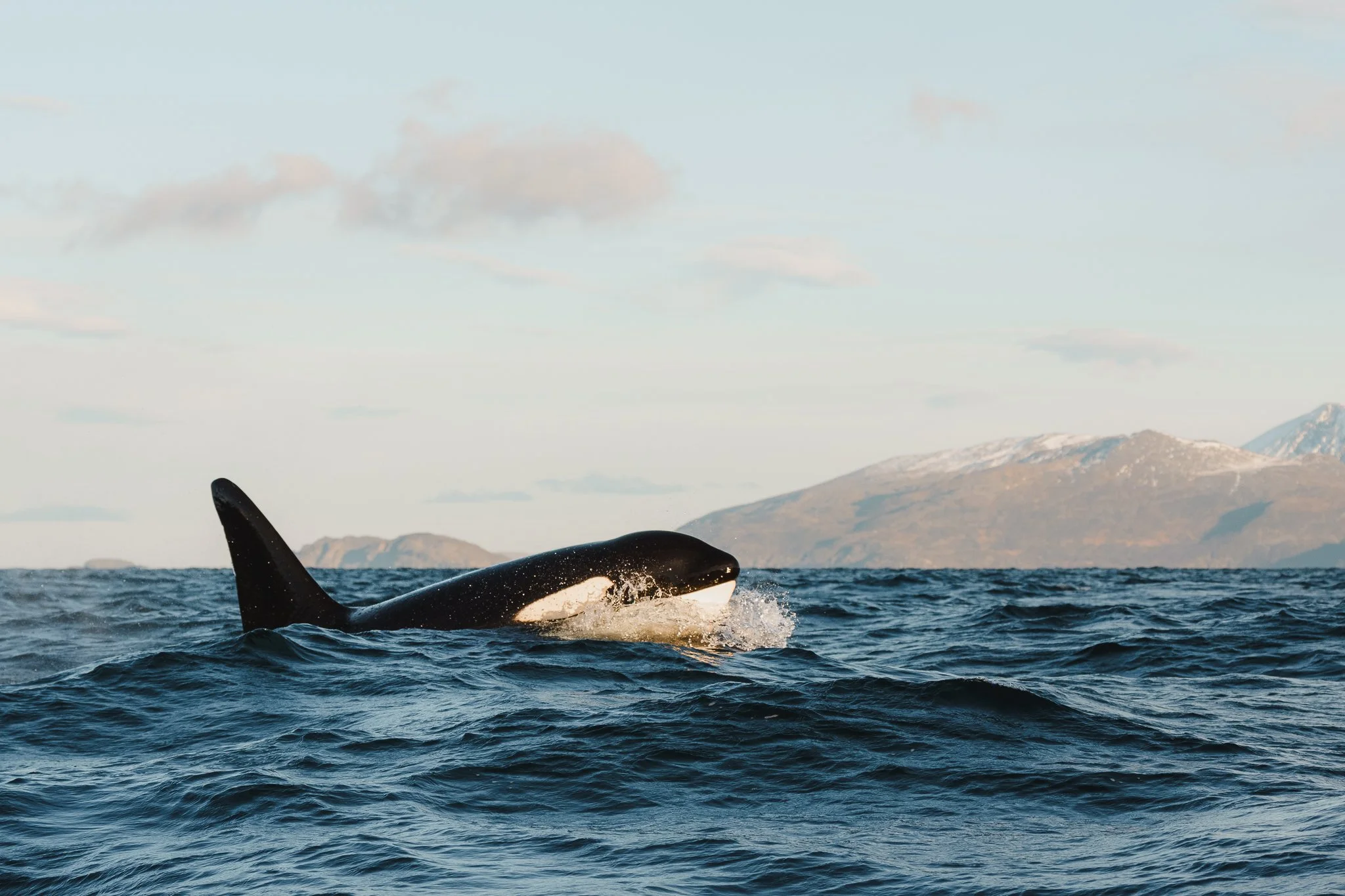
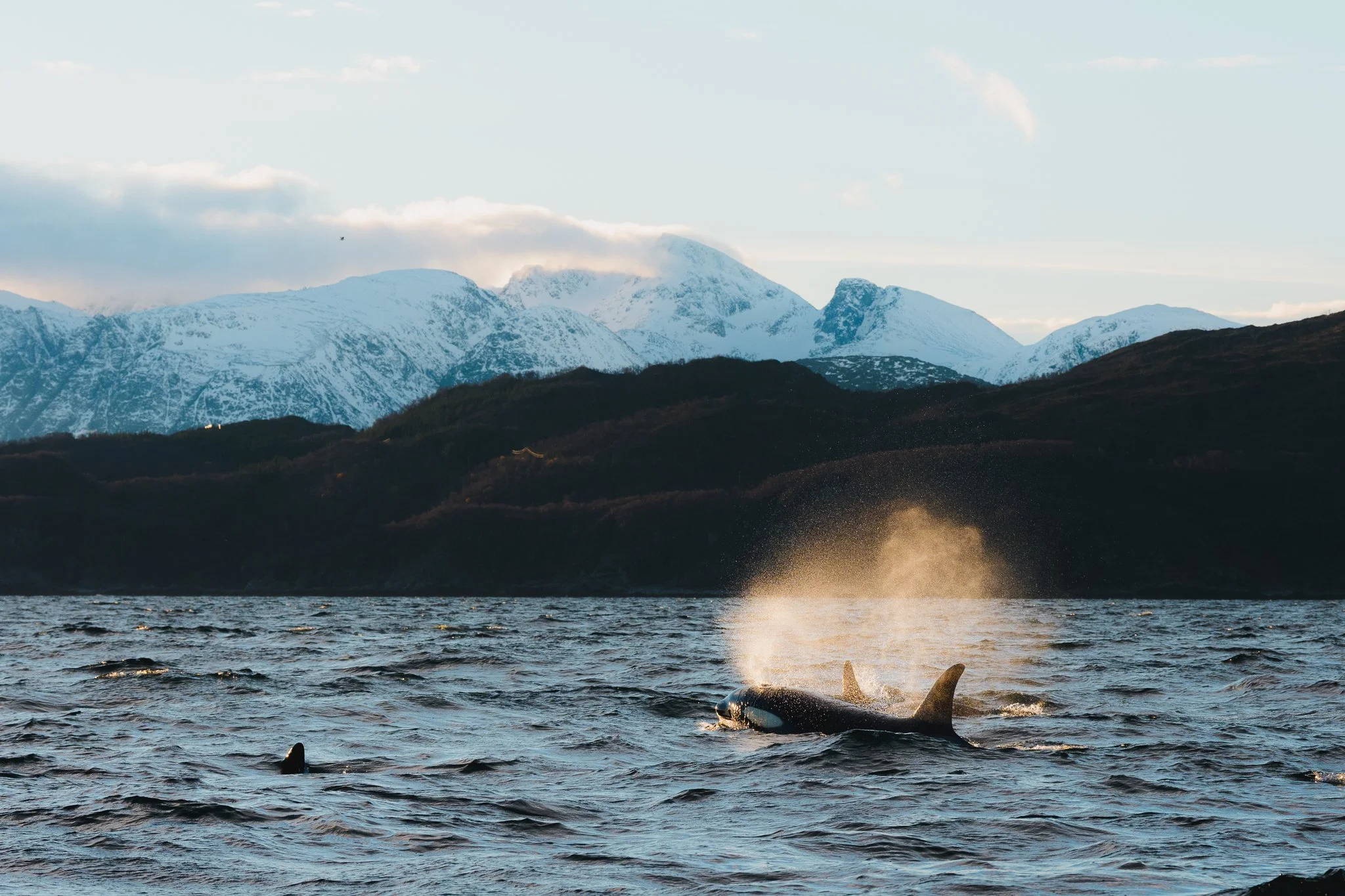
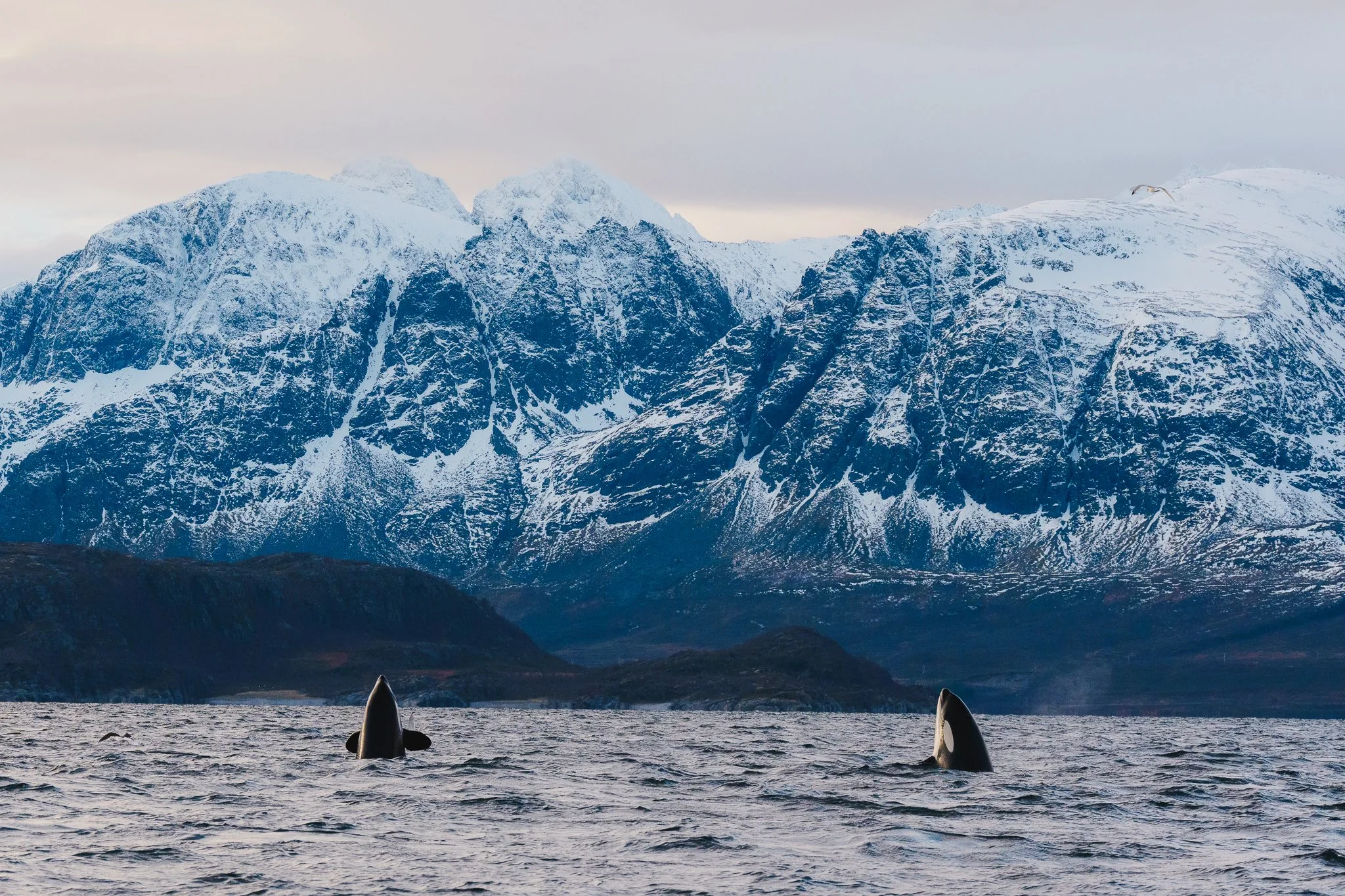
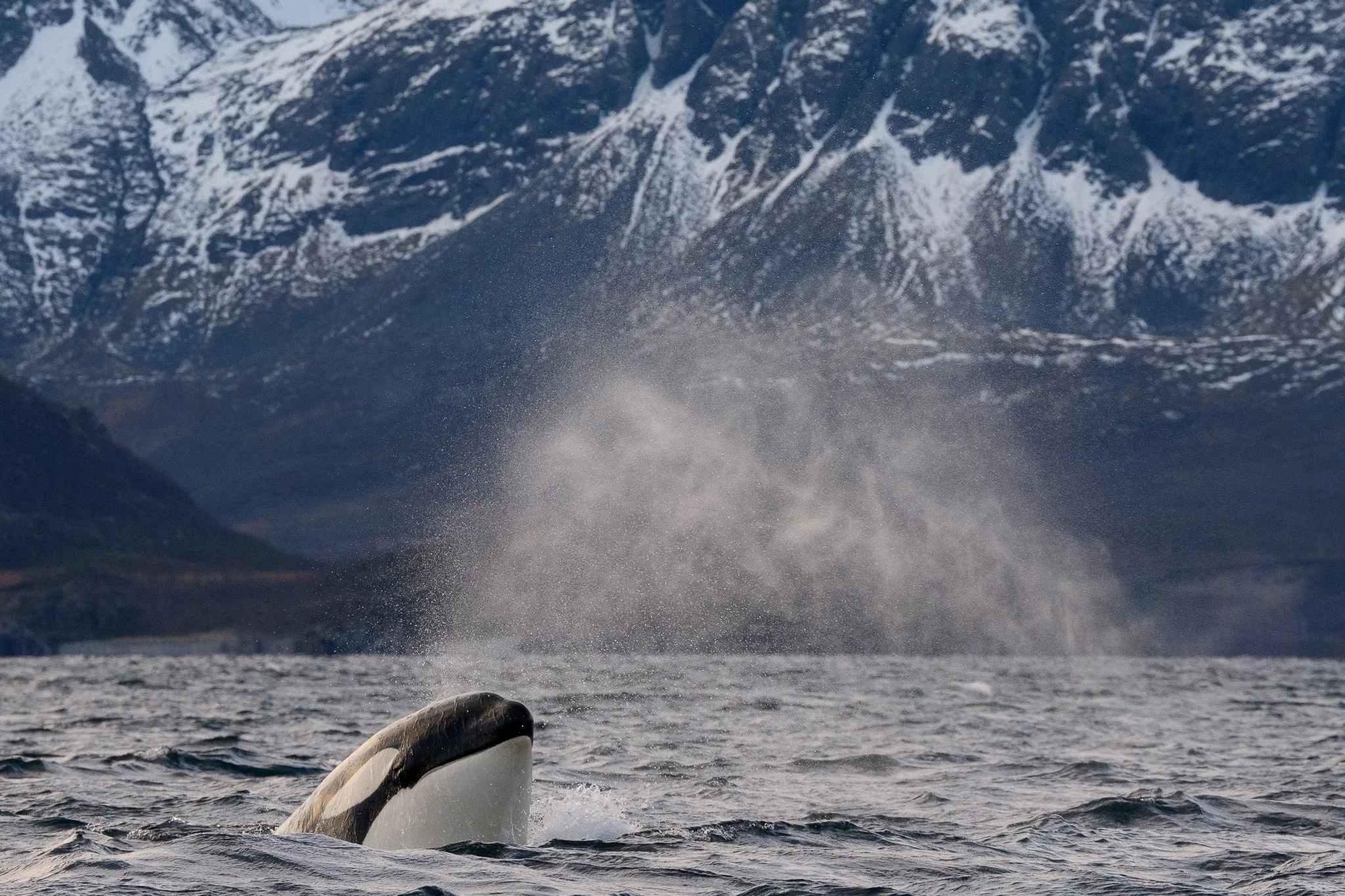
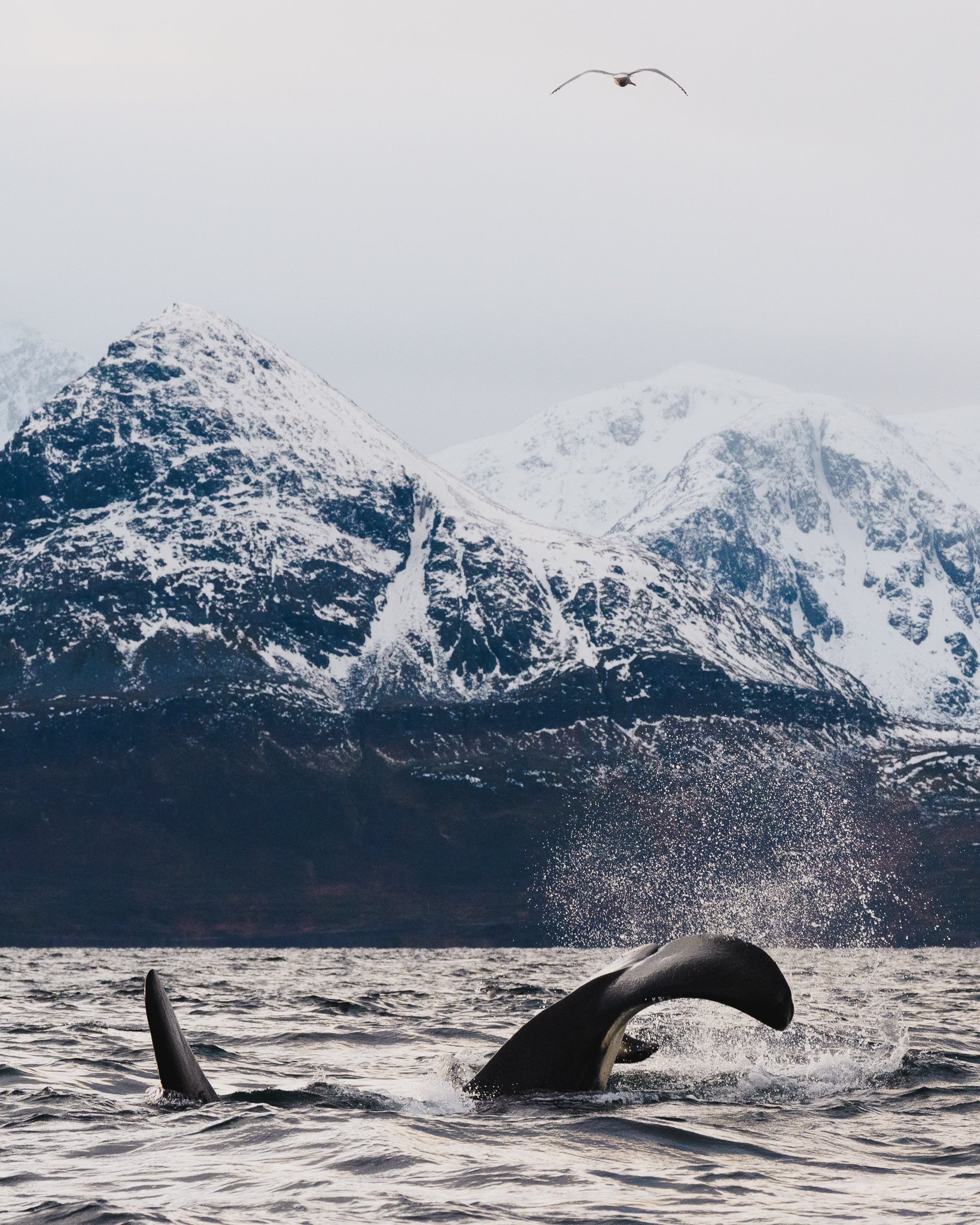
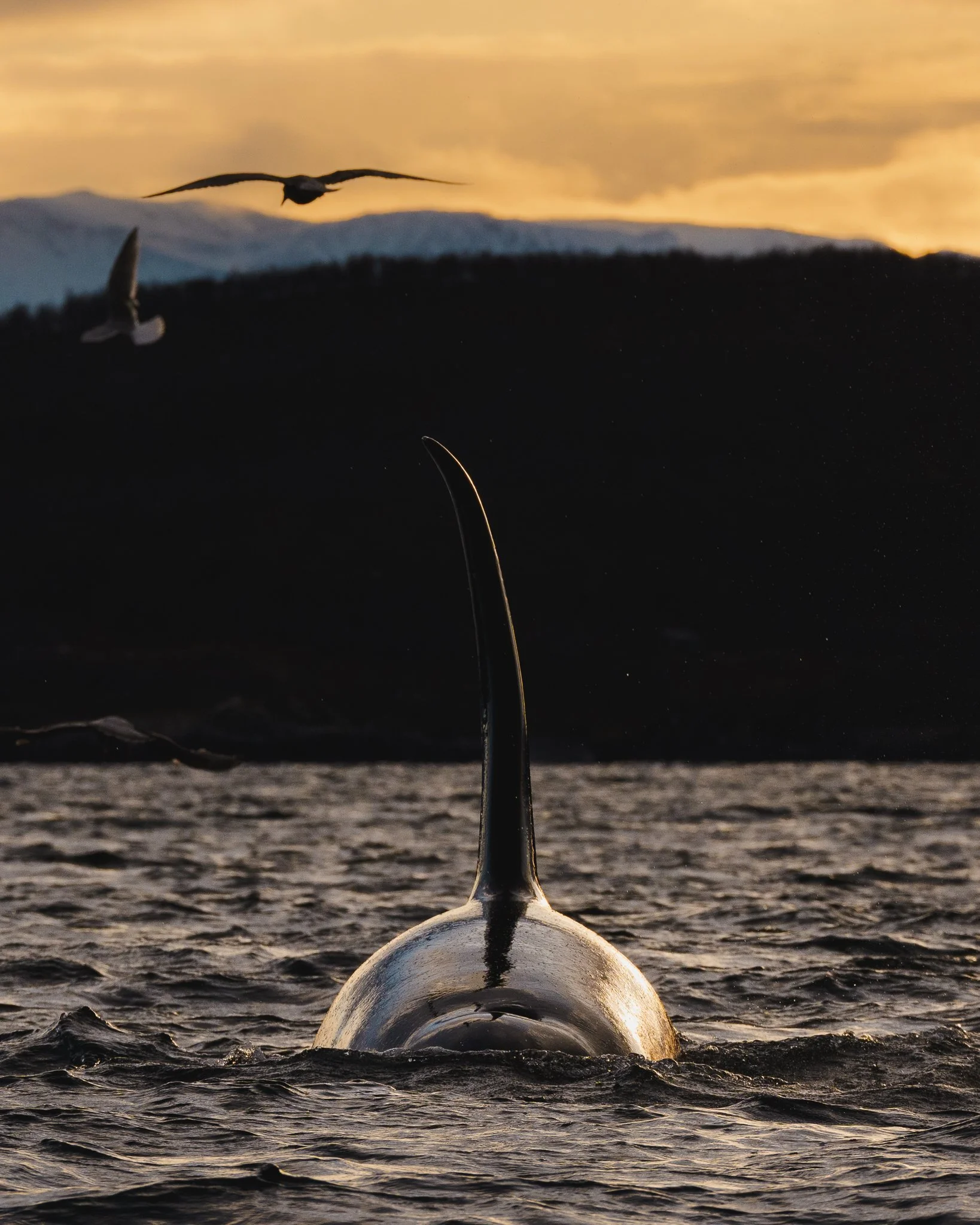
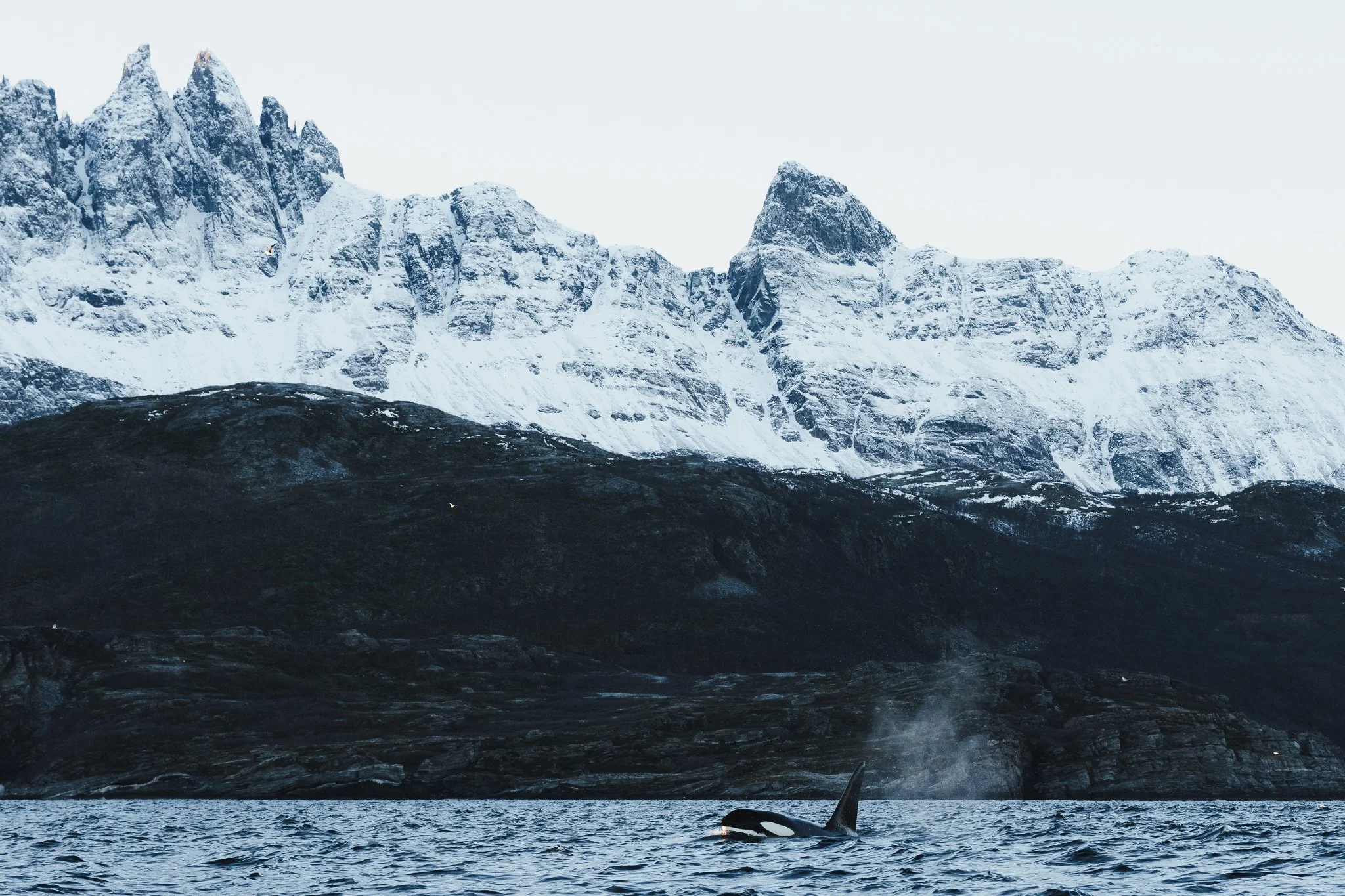
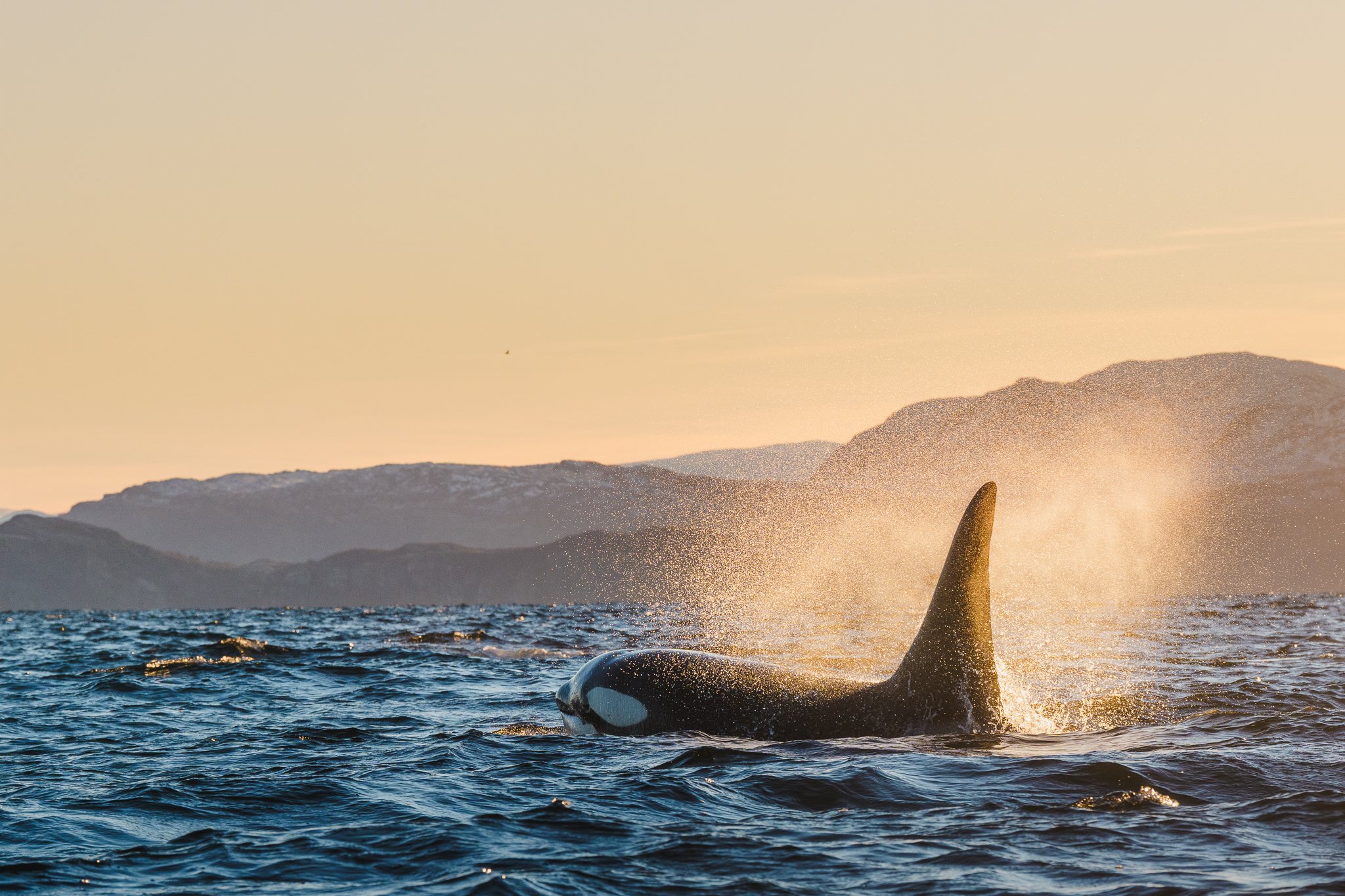
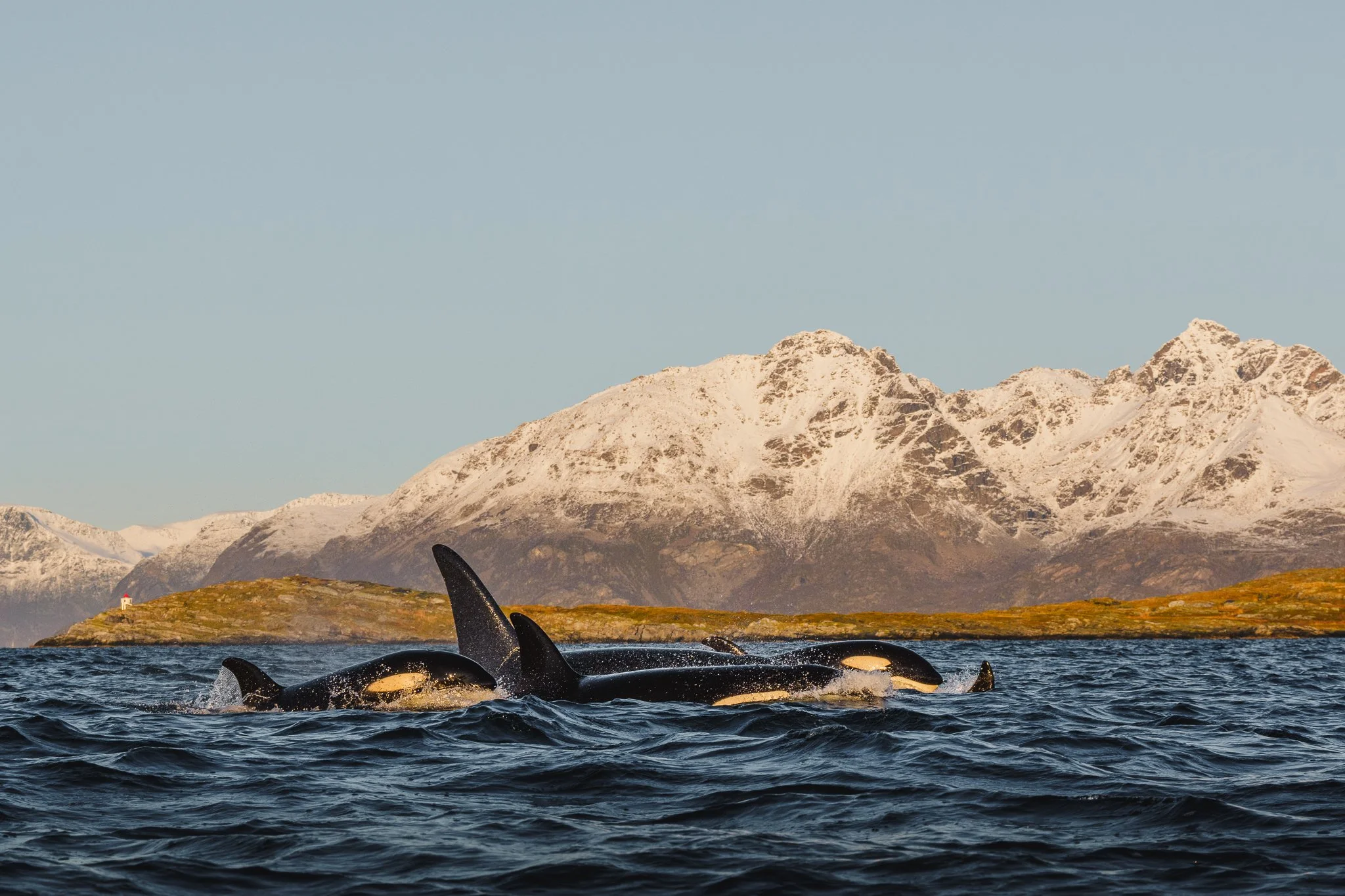
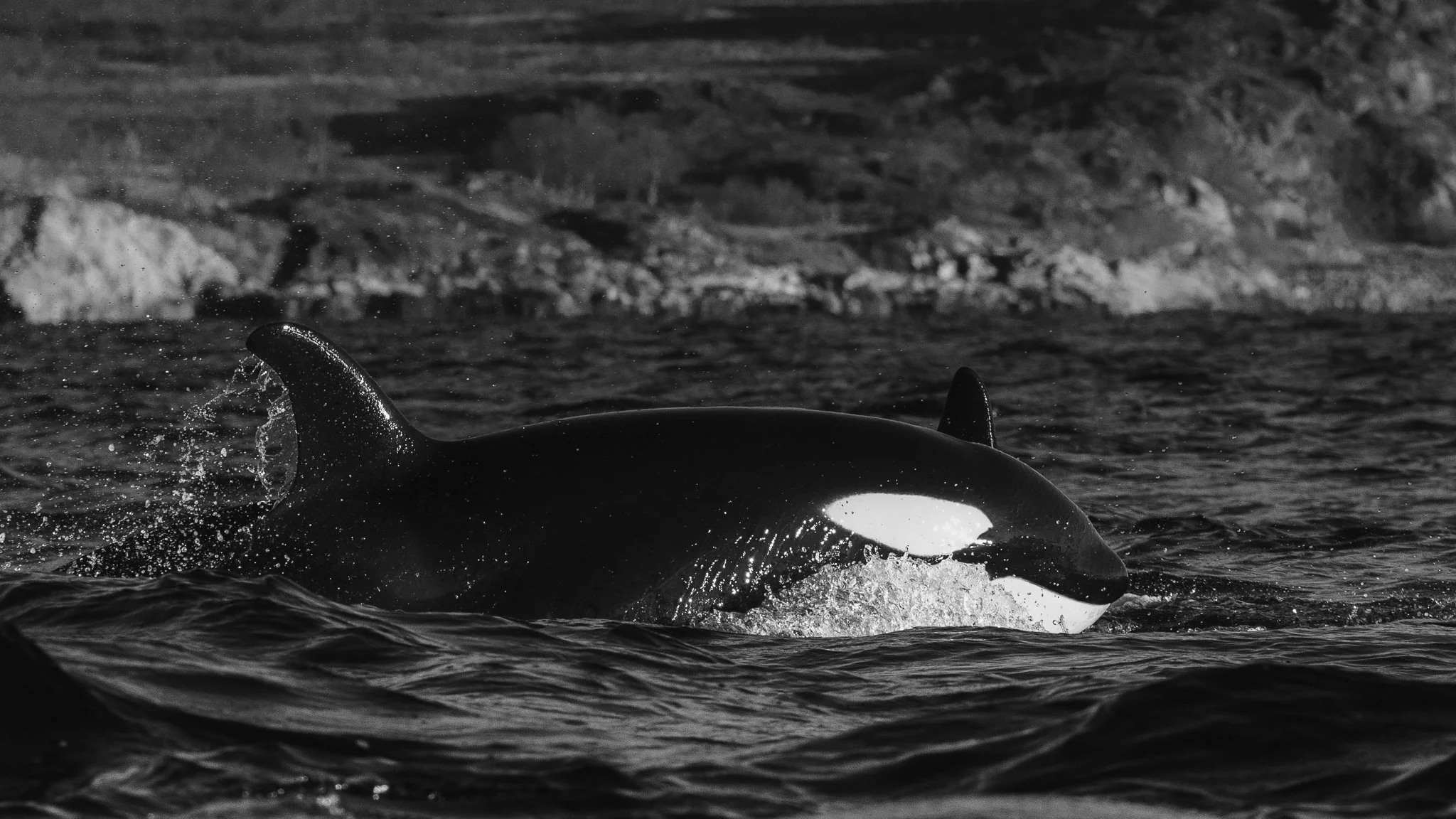
Ever since I was a kid, I’ve been fascinated by whales - their size, the migrations, and the mystery of their life beneath the surface. It’s been 8 years since my last time seeing them up close, and recently I finally made my way back to Northern Norway, where winter seas turn into one of the world’s most magical whale-watching stages.
What I didn’t remember from last time was just how wild and technically challenging it would be to photograph them.
The Arctic Setting
Northern Norway is both harsh and beautiful. The days are short, the wind cuts deep, and the sea never really settles. Sitting low in a RIB, I’m almost at water level - an incredible perspective for shooting, but also a constant effort to keep my balance, stay warm, and focus.
When the whales appear, everything else fades away. In that moment, nothing matters except what’s happening right in front of me.
The Gear I Chose
For this trip, I brought two bodies:
Sony A1
Sony A1 II
And three lenses:
Sony 70-200mm f/2.8 GM OSS
Sony 16-35 f/2.8 GM II
Sony 300 f/2.8 GM OSS
The combo I ended up using every day was Sony A1 II and 70-200 f/2.8.
This setup gave me speed, resolution, and versatility in a compact package. I also brought the Sony FE 16–35mm f/2.8 and the Sony FE 300mm f/2.8 out on sea, but I didn’t use either of them.
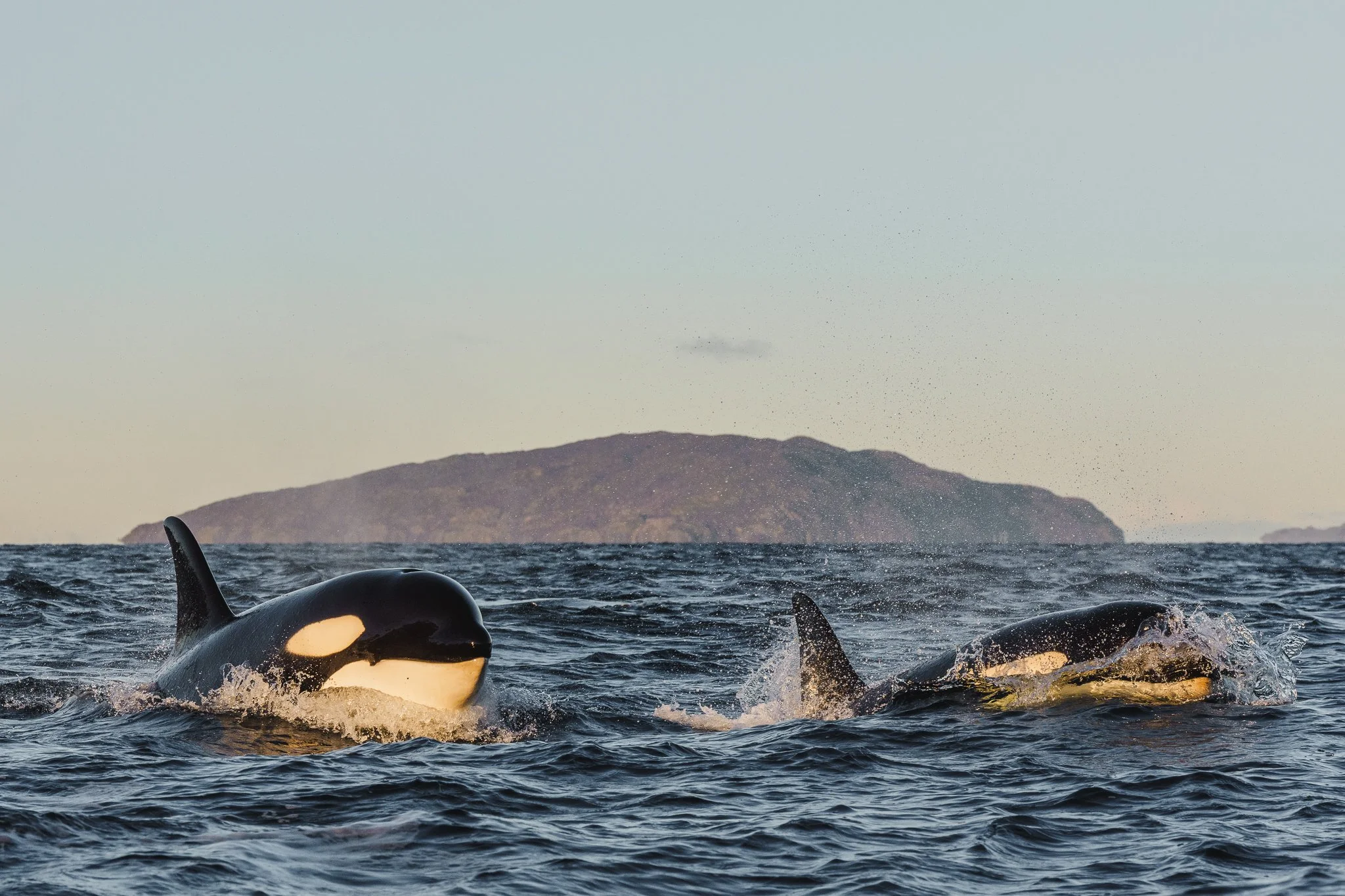
Fast gear, but even the best autofocus doesn’t always know what to do with a whale. No visible eye, no clear shape, no predictable movement. Tracking works until a wave comes along, and then focus runs away with the wave. It’s humbling, demanding, and incredibly exciting. Sometimes the ocean looks empty, and the next second a whale rises right beside the boat, too close for a photo, but close enough to steal your breath.
I ended up using a mix of custom-area tracking with a wide rectangle placed low in the frame, and old-school center-point AF, firing in short bursts whenever a whale appeared. What makes whale photography addicting is also what makes it frustrating: you never know when or where they’ll appear.
You scan endless grey water, waiting, waiting… and then suddenly they’re right next to you. Sometimes too close to even shoot.
This trip was made even more special by the people I shared it with. I spent four unforgettable days on the water with See and Explore, traveling with my good friend Lisa Sihlberg who share my Arctic enthusiasm. We also met up with Eeva Mäkinen, Natasha Klein, and Daniel Ernst - and we even shared one day together out at see with the whales!
Thank you all for the good times and a special thanks to Oddgeir and co at See and Explore for making this trip memorable.

Finally Live: My Online Print Store is Open 🎉
I’m thrilled to announce the launch of my online print store - a carefully curated collection of photographs, crafted in collaboration with Dialab in Finland. Each image is printed on beautiful Hahnemühle fine art paper and available framed in black or oak, ready to bring light, stillness, and depth into your home.
Illustration of “Rocks of Rondane”
I’m so excited to share some big news — my online store is finally open!
You can now explore and purchase my art prints directly at linakayser.com.
This has been a dream in the making for quite some time. I’ve spent countless hours creating and curating images that feel authentic to me — photographs that capture light, atmosphere, and silence. Every photo available in the store is personally selected by me, chosen for its mood, balance, and story.
Crafted in Collaboration with Dialab (Finland)
All prints are produced in collaboration with Dialab, a professional photo lab based in Finland known for its exceptional craftsmanship and attention to detail.
Dialab works with archival-quality materials and museum-grade printing standards, ensuring every piece meets the highest level of quality and longevity. Each print is individually checked before leaving the lab — a process that gives me complete trust in their work and results.
Materials & Finishing
The prints are made on Hahnemühle Matt Fibre and Hahnemühle Hemp papers — two beautiful, tactile fine art papers that bring out the subtle tones and textures of each image.
The Hemp paper is my personal favorite — soft, natural, and rich in depth — perfectly suited for the kind of quiet imagery I love to create.
Each photograph comes with a white border for a clean, timeless presentation. You can choose between a thin black or oak aluminum frame, both designed to complement the artwork without distraction. The frames are minimal yet elegant, adding a sense of depth and refinement to the finished piece.
A Personal Milestone
Launching this store feels like a true milestone in my artistic journey. I’ve long wanted to make it easier for people to experience my work — to bring a piece of stillness, light, and emotion into their homes.
Thank you to everyone who has supported, encouraged, and inspired me along the way. It means more than words can say 💛
👉 Visit the store: linakayser.com


10 tips on how to get started as a wildlife photographer!
Do you want to photograph wildlife, but you're not sure how to begin? Keep reading- these tips will hopefully help you on the way!
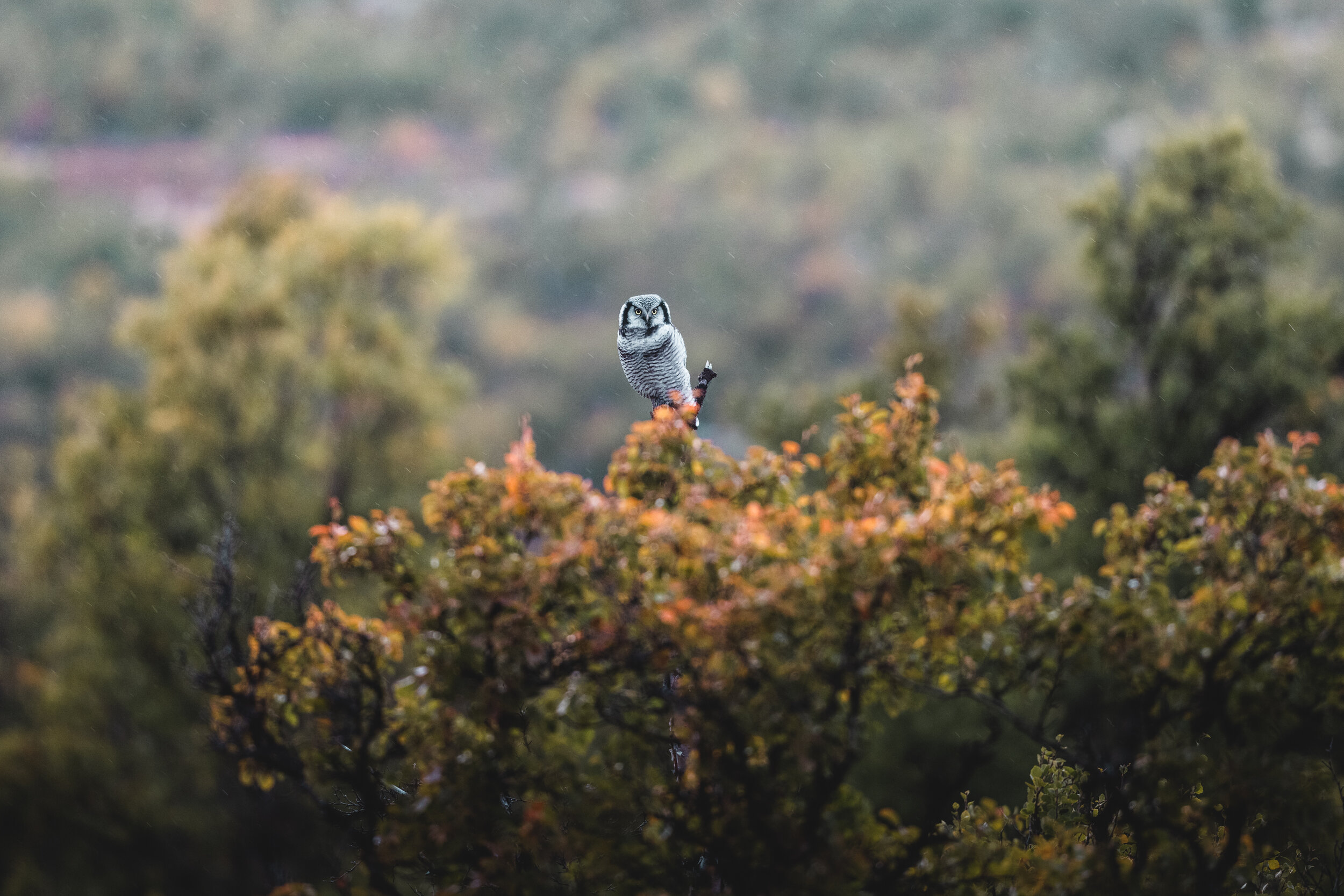
Remember that you don't have to travel far or buy expensive gear to photograph wildlife. Use the gear you’ve got and pay attention to the birds and animals in your surroundings. I’m sure you'll be surprised to discover the opportunities right outside your doorstep.
Ready to get started?
Here are my 10 best tips on how to become a wildlife photographer!
Get up at sunrise. You might be surprised to see who’s roaming the streets while everyone else is asleep. This is the best time to spot foxes, deer, rabbits, beavers, birds and more. The light can sometimes be trickier at this time so the easiest way to nail your shots is to shoot with your back against the sun. However, you can also make beautiful backlit photos by positioning yourself so that the sun’s rays are filtered through branches, leaves or grass.
Take some test shots to check and adjust your settings, so that you are ready in case something suddenly appears.
Choose your background and decide whether you want to include the environment or take a closer portrait. It's a good idea to take both zoomed-in and wide angle shots if possible. Using the environment to create a nice foreground or framing will often make the photo more interesting.
Open apertures give a soft and blurry background and makes the subject stand out in the frame.
Long lenses can be hard to keep stable, so start out with using a shutter speed that’s double your focal length or more. However, new lenses and cameras have amazing VR (vibrance reduction) and with some practice and a steady hand you can get razor sharp shots at longer shutter speeds if the subject is still.
Study the habits of the wildlife you want to photograph i.e. what do they eat, where can they usually be seen and at what time? You can also ask your neighbours or local farmers if they have seen anything.
Learn the different calls of the birds or animals you want to photograph. That way it’s easier to recognise and find your favourites. You can also play the songs from your phone to see if the birds answer or come closer. There are plenty of apps and websites with bird songs. Or you could practise making animal calls yourself :)
Try to be at eye level with your subject, even if it means laying flat on the ground.
Set the focus on the eyes. Try shooting with single point focus for better control.
Wildlife living in urban areas are usually less shy of people so don’t worry if you don’t have a big zoom lens, you can come quite close anyway. But always remember to be careful and move quietly, and most important of all, treat wildlife with respect and back away if they show signs of distress.
Would you like to read more about how I photograph wildlife?


